
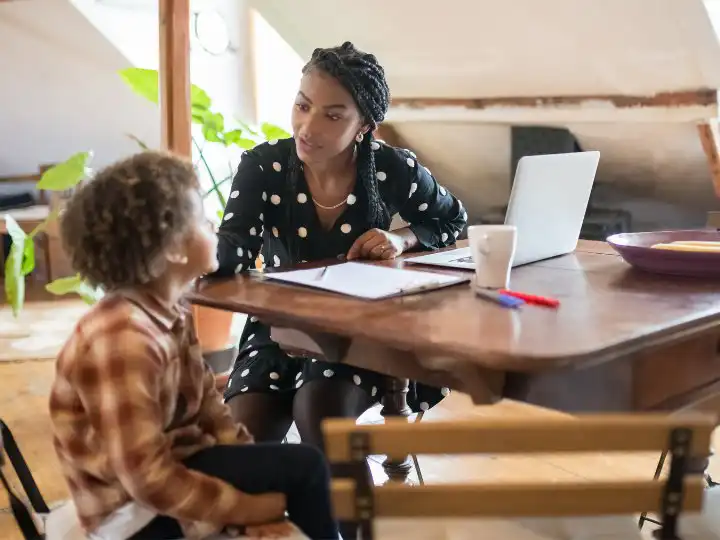
When it comes to helping children with autism or other developmental challenges, Applied Behavior Analysis (ABA) therapy has proven to be a highly effective approach. But what exactly happens during in-home ABA therapy sessions, and how can it benefit your child?
Here at Wonderway ABA, we aim to provide personalized, supportive, and results-driven therapy to help children grow and thrive. Let’s walk you through what you can expect during an in-home ABA therapy session.
What is In-Home ABA Therapy?
ABA therapy is a scientific approach to understanding and improving behavior. It is used to help children with autism and other developmental challenges learn new skills, improve communication, and reduce challenging behaviors.
In-home ABA therapy is a unique way of delivering this therapy, where sessions occur in the comfort of your home or at your child’s school. This personalized approach has many benefits including:
- Familiar environment: Children often respond better in environments they are familiar with, such as home or school.
- Real-life learning: ABA therapists can work on skills that are directly applicable to everyday situations, such as communication, social skills, and emotional regulation.
- Flexibility: In-home therapy can be adapted to your family’s schedule and routines, making it more convenient and consistent.
The Role of an ABA Therapist
The ABA therapist plays a key role in assessing, guiding, and supporting your child. Wonderway ABA Behavior Therapists (BTs) are highly trained professionals who are certified to apply ABA techniques to help children achieve their goals.
The primary responsibilities of an ABA therapist during in-home sessions include:
- Assessment: The therapist will assess your child’s behavior, strengths, and areas that need improvement.
- Creating a treatment plan: Based on the assessment, the therapist designs a personalized therapy plan with specific goals and techniques to use.
- Working with the child: The therapist implements techniques such as reinforcement, prompting, and shaping to encourage positive behaviors.
- Collaboration with parents: Therapists work closely with parents and caregivers to ensure consistency in the child’s progress.
Initial Assessment
When your child starts ABA therapy in Atlanta, the first step is a thorough assessment. This is a crucial step where the therapist will observe your child’s behaviors, communication skills, and social interactions. The therapist will also consider your family’s goals and needs.
This assessment helps the therapist design a treatment plan that is tailored to your child’s unique needs. They will focus on areas such as:
- Developing communication skills
- Managing challenging behaviors
- Improving social interactions
- Emotion regulation
Setting Goals and Creating a Treatment Plan
Once the assessment is complete, the therapist will create an individualized treatment plan based on the data collected. The goals are specific, measurable, and achievable, focusing on areas that will help your child thrive both at home and in social settings.
Our ABA therapy center believe in a collaborative approach to goal setting. Parents are an integral part of this process, as they provide valuable insights about their child’s behavior and needs. By working together, we create a plan that supports both the child’s progress and the family’s goals.
Typical Structure of an In-Home ABA Session
A typical in-home ABA session is structured to be engaging, educational, and goal-oriented. Here’s an example of what a session might look like:
- Introduction: The session begins with a brief warm-up, where the therapist may greet the child and establish a comfortable environment.
- Learning exercises: The therapist will introduce specific learning activities, such as teaching new communication skills, reinforcing positive behavior, or working on social interactions.
- Reinforcement: Positive behaviors are reinforced with rewards such as praise, tokens, or preferred activities.
- Data collection: The therapist will take notes and track the child’s progress throughout the session to assess their development.
- Wrap-up: The session concludes with a review of the child’s accomplishments and a discussion with parents about what was learned.
Parent and Caregiver Involvement
One of the key components of in-home ABA therapy is the active involvement of parents and caregivers. At Wonderway ABA, we recognize that parents play a vital role in the therapy process, as they are the ones who will continue to reinforce the skills learned during therapy at home.
Parents are trained to:
- Implement the strategies used during ABA therapy sessions
- Provide consistent reinforcement and encouragement
- Track progress and share updates with the therapist
- Create a structured environment at home that supports the child’s learning
- Reinforce and generalize skills across various settings (e.g. family gatherings or in the community)
This collaboration between the therapist and family members ensures that the child’s progress continues outside of therapy sessions, leading to long-lasting results.
Common Techniques Used in ABA Therapy
ABA therapy utilizes several well-established techniques to teach new skills and reinforce positive behaviors. Some common methods used in in-home therapy sessions include:
- Discrete Trial Training (DTT): This structured approach breaks down skills into smaller, manageable steps and reinforces correct responses.
- Natural Environment Teaching (NET): The therapist uses real-life situations to teach and reinforce skills in a natural, meaningful way.
- Pivotal Response Training (PRT): This method focuses on teaching pivotal behaviors that can lead to improvements in other areas, such as social skills and communication.
Each of these techniques is tailored to fit the child’s needs and is incorporated into the home environment for greater relevance and effectiveness.
Progress Monitoring and Adjustments
Progress is continuously monitored in in-home ABA therapy. The therapist collects data on the child’s behaviors, evaluates their progress toward goals, and makes adjustments as needed. This may involve:
- Modifying goals as the child’s skills improve
- Changing reinforcement strategies if something isn’t working
- Introducing new techniques as the child’s abilities develop
Regular reviews of progress ensure that the therapy plan is always aligned with the child’s evolving needs.
Partner with Us for a Holistic In-Home ABA Therapy
In-home ABA therapy provides a personalized, comfortable, and effective way to help children with autism or developmental challenges succeed. With the right support, goals, and collaboration between therapists and families, children can develop important skills that enhance their everyday lives.
At Wonderway ABA, our Behavior Therapists (BTs) regularly meet your child at home or in school to practice and develop new skills. Together, they work on learning exercises, routines, and emotion regulation techniques designed to help your child integrate better with family, friends, and their environment.
If you’re ready to start the journey, Wonderway ABA is here to help guide you and your child every step of the way. Reach out to us today to schedule a consultation and discover how we can work together to support your child’s development.
Frequently Asked Questions
What happens during an in-home ABA therapy session?
An in-home ABA session may include skill-building activities, communication practice, social skills, behavior support, reinforcement, and everyday routines. The therapist also collects data to monitor progress and adjust the treatment plan when needed.
How long does an in-home ABA therapy session last?
The length of an in-home ABA session can vary based on the child’s individualized treatment plan, goals, age, and needs. The therapy team will determine an appropriate schedule with the family.
What skills can children work on during in-home ABA therapy?
Children may work on communication, social interaction, following directions, daily living skills, emotional regulation, play skills, and other behaviors that support greater independence at home and in the community.
Do parents need to participate in in-home ABA therapy?
Parent and caregiver involvement can be an important part of in-home ABA therapy. Therapists may teach caregivers how to support skill development, use reinforcement strategies, and help children apply skills outside of therapy sessions.