
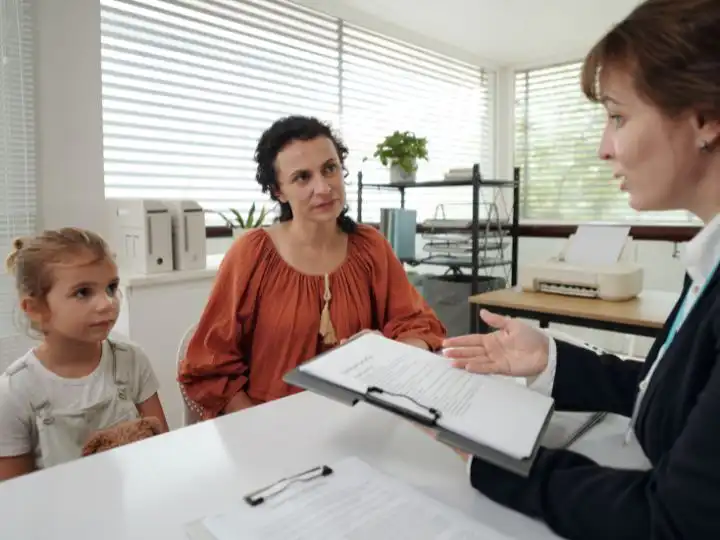
Children with autism often learn important skills during structured therapy sessions. These skills might include communication, following instructions, social interaction, or daily living tasks. While many children make meaningful progress during therapy, applying those same skills in everyday environments can sometimes be challenging. A child may successfully request help during a therapy session but struggle to do the same at home or at school.
This is where skill generalization becomes an important goal. Skill generalization refers to a child’s ability to use a learned behavior across different settings, with different people, and in new situations. Without generalization, a skill may remain limited to a specific therapy environment rather than becoming a practical tool the child can use in daily life.
Understanding Skill Generalization in Autism
Skill generalization refers to the ability to apply a learned behavior in multiple environments and situations. For children with autism, learning a skill in one setting does not always mean it will automatically appear in another. Many children benefit from structured teaching, but they may need additional support to transfer those skills into everyday contexts.
For example, children may experience challenges such as:
- Greeting a therapist during sessions but not greeting teachers or peers
- Following instructions from a therapist but not responding to parents or caregivers
- Asking for help appropriately during therapy but remaining silent in the classroom
- Using communication tools in therapy but not during daily routines
These challenges are not due to a lack of ability. Instead, children with autism often benefit from intentional teaching strategies that help them understand when and where a skill should be used.
What Is Reinforcement in ABA Therapy?
Reinforcement is a core concept in ABA therapy. It refers to a consequence that increases the likelihood that a behavior will occur again in the future. When a child receives something meaningful after performing a desired behavior, they are more likely to repeat that behavior.
Reinforcement can take many forms depending on the child’s preferences and motivations. Common examples include:
- Verbal praise and encouragement
- High-fives, smiles, or other positive social interactions
- Access to a favorite toy, game, or activity
- Tokens or reward systems that can be exchanged for a preferred item
- Extra time with a preferred activity
One common misconception is that reinforcement is the same as bribery. In reality, reinforcement occurs after a desired behavior happens and is used as a learning tool to strengthen that behavior. Bribery typically involves offering something beforehand to persuade someone to behave a certain way.
How Reinforcement Encourages Skill Generalization
Reinforcement does more than teach a new behavior. It helps children understand that the behavior is useful in many situations. When reinforcement is applied across different environments and interactions, children begin to use their skills more consistently.
Reinforcement Across Multiple Settings
Children are more likely to use a skill when it is reinforced in different environments. For example, a child who learns to request help during therapy may begin using the same skill in other places when reinforcement occurs there as well.
Examples include reinforcing skills at:
- Home during daily routines
- School during classroom activities
- Community settings such as playgrounds or stores
- Social gatherings with family or peers
Reinforcement From Different People
Children also benefit from receiving reinforcement from multiple individuals. When different people acknowledge positive behaviors, children learn that the skill is valuable in various relationships.
Important people who may reinforce behaviors include:
- Parents and caregivers
- Teachers and school staff
- Siblings and relatives
- Peers during play or social interaction
- Therapists and other support professionals
Reinforcing Natural Opportunities
Reinforcement becomes especially effective when it occurs during natural, everyday moments. Instead of only reinforcing skills during structured teaching, caregivers can recognize when a child independently uses a skill.
Examples might include:
- Praising a child for greeting someone independently
- Encouraging a child who asks for help appropriately
- Recognizing when a child shares toys or takes turns
- Acknowledging when a child follows instructions without reminders
Gradual Fading of Reinforcement
At the beginning of learning, reinforcement may occur frequently to help establish a behavior. Over time, therapists gradually reduce structured rewards and shift toward more natural reinforcement.
This may include:
- Moving from tangible rewards to verbal
- Increasing time between
- Encouraging internal satisfaction from completing a
This process helps children continue using skills even when immediate rewards are not present.
How Parents Can Support Reinforcement at Home
Parents and caregivers play an essential role in helping children generalize their skills beyond therapy sessions. Reinforcement at home allows children to practice behaviors in real-life situations.
Parents can support reinforcement by:
- Praising children when they communicate their needs
- Encouraging positive social interactions with siblings or
- Reinforcing independence during routines like dressing or cleaning up
- Recognizing when children follow instructions or complete
Consistency between ABA therapy and home environments helps children understand that these skills are valuable in everyday life.
Conclusion
Skill generalization is an essential part of meaningful progress for children with autism. Learning a new behavior is an important step, but being able to use that skill across different settings and situations is what allows it to truly benefit a child’s daily life.
Reinforcement plays a powerful role in this process. By strengthening positive behaviors and encouraging their use across environments, reinforcement helps bridge the gap between structured therapy and real-world application.