
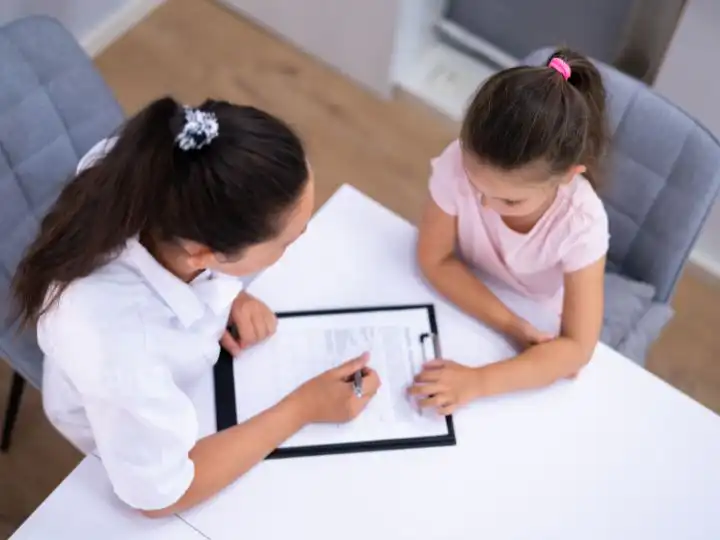
For many children with autism, transitions, or moving from one activity to another, can be a significant challenge. Whether it’s switching from playtime to mealtime, getting ready for school, or finishing a favorite activity, transitions often trigger frustration, anxiety, or even meltdowns. These transition-related behaviors can affect not only the child’s day-to-day functioning but also family routines and overall well-being.
In-home ABA therapy offers a practical and effective way to address these challenges. By providing therapy in the child’s natural environment, Georgia ABA therapists can create personalized strategies to reduce stress during transitions, making daily life smoother for both children and their families.
Understanding Transition-Related Behaviors
Transition-related behaviors are a common concern for children with autism. They occur when a child struggles to shift from one activity or environment to another. This can manifest in many ways, such as crying, refusing instructions, hiding, or having a tantrum. For some children, even small changes in routine can trigger intense reactions.
These behaviors often stem from a need for predictability, difficulty with flexibility, and heightened anxiety. Sensory sensitivities can also make transitions overwhelming, especially if a child is moving from a preferred activity to a less enjoyable one. Without support, these behaviors can disrupt learning, social interactions, and family routines, creating stress for everyone involved.
What Is In-Home ABA Therapy?
Applied Behavior Analysis (ABA) therapy is a widely recognized approach for supporting children with autism. ABA uses evidence-based strategies to teach new skills, reduce challenging behaviors, and improve overall quality of life. In-home ABA therapy takes these techniques a step further by bringing them into the child’s natural environment.
Unlike clinic-based therapy, in-home ABA occurs where the child spends most of their time; home, play areas, or even in neighborhood settings. This allows therapists to observe real-life triggers and practice strategies in the situations where the child actually needs support. Interventions are personalized to the child’s unique needs and family routines, making them highly practical and effective.
How In-Home ABA Therapy Helps Reduce Transition Behaviors
In-home ABA therapy addresses transition-related behaviors in several ways:
Consistent Routine Implementation
One of the most effective strategies for reducing transition behaviors is establishing a predictable routine. Wonderway ABA therapists work with families to create structured schedules that the child can understand and anticipate. Visual supports like picture schedules, timers, or cue cards provide clear guidance for what comes next.
For example, a child who struggles to move from playtime to mealtime might benefit from a visual chart showing each step: finishing a toy, washing hands, and sitting at the table. By knowing exactly what to expect, children feel more in control, and anxiety around transitions decreases.
Individualized Strategies for the Child
No two children are alike, and ABA therapy reflects that. ABA therapists assess each child’s specific triggers and strengths to create tailored strategies. Techniques may include:
- Gradual exposure: Slowly introducing transitions to build tolerance.
- Shaping: Reinforcing small steps toward a smoother transition.
- Reinforcement: Offering praise or rewards when a child successfully navigates a change.
These individualized strategies make transitions more manageable and help children develop long-term coping skills.
Coaching and Guidance
In-home ABA therapy in New Jersey isn’t just about working with the child. It’s about supporting the entire family. Therapists provide real-time coaching to parents and caregivers, modeling techniques for guiding transitions calmly and effectively. They also offer immediate feedback, helping families adjust strategies based on what works best for their child.
For instance, a therapist may show a parent how to use a countdown or a gentle verbal prompt to signal an upcoming change. Over time, these techniques become natural parts of the family’s routine, reducing stress for everyone.
Practicing in the Natural Environment
A key advantage of in-home ABA is that transitions are practiced where they actually happen. Unlike clinic-based therapy, where children may learn skills in a controlled setting, in-home therapy allows for practice in familiar, real-world contexts. This improves generalization, meaning the child can apply the skills across different situations; school, playground, or community activities; while maintaining calm and cooperation.
Being in a familiar environment also reduces sensory overload and anxiety, making it easier for children to focus on learning and using new strategies.
Benefits Beyond Reducing Transition Behaviors
While reducing transition-related behaviors is the primary goal, in-home ABA therapy offers additional benefits:
- Improved compliance: Children are more likely to follow instructions during daily routines.
- Reduced meltdowns: Anxiety and frustration decrease as children become more comfortable with transitions.
- Increased independence: Learning to navigate transitions builds confidence and self-reliance.
- Strengthened family relationships: Parents feel more equipped to support their child, improving overall family well-being.
These benefits contribute to a calmer, more predictable home environment, which positively impacts both the child and the family.
Tips for Parents to Support Transitions at Home
Parents can reinforce what their child learns in therapy with simple strategies:
- Use visual schedules and countdowns: Clear, consistent cues help children anticipate changes.
- Provide consistent routines: Predictable sequences reduce anxiety and resistance.
- Offer positive reinforcement: Praise or small rewards motivate children to transition successfully.
- Collaborate with the therapist: Ongoing guidance ensures strategies are effective and tailored to your child.
Conclusion
Transitions don’t have to be a daily battle. In-home ABA therapy provides children with autism the tools, support, and practice they need to navigate changes smoothly. By implementing individualized strategies, offering real-time coaching, and practicing in natural settings, ABA therapists help reduce stress, frustration, and challenging behaviors.
For families, this means calmer routines, increased independence for the child, and a stronger parent-child bond. If your child struggles with transitions, exploring in-home ABA therapy services from Wonderway ABA could be a transformative step toward smoother, happier days.