
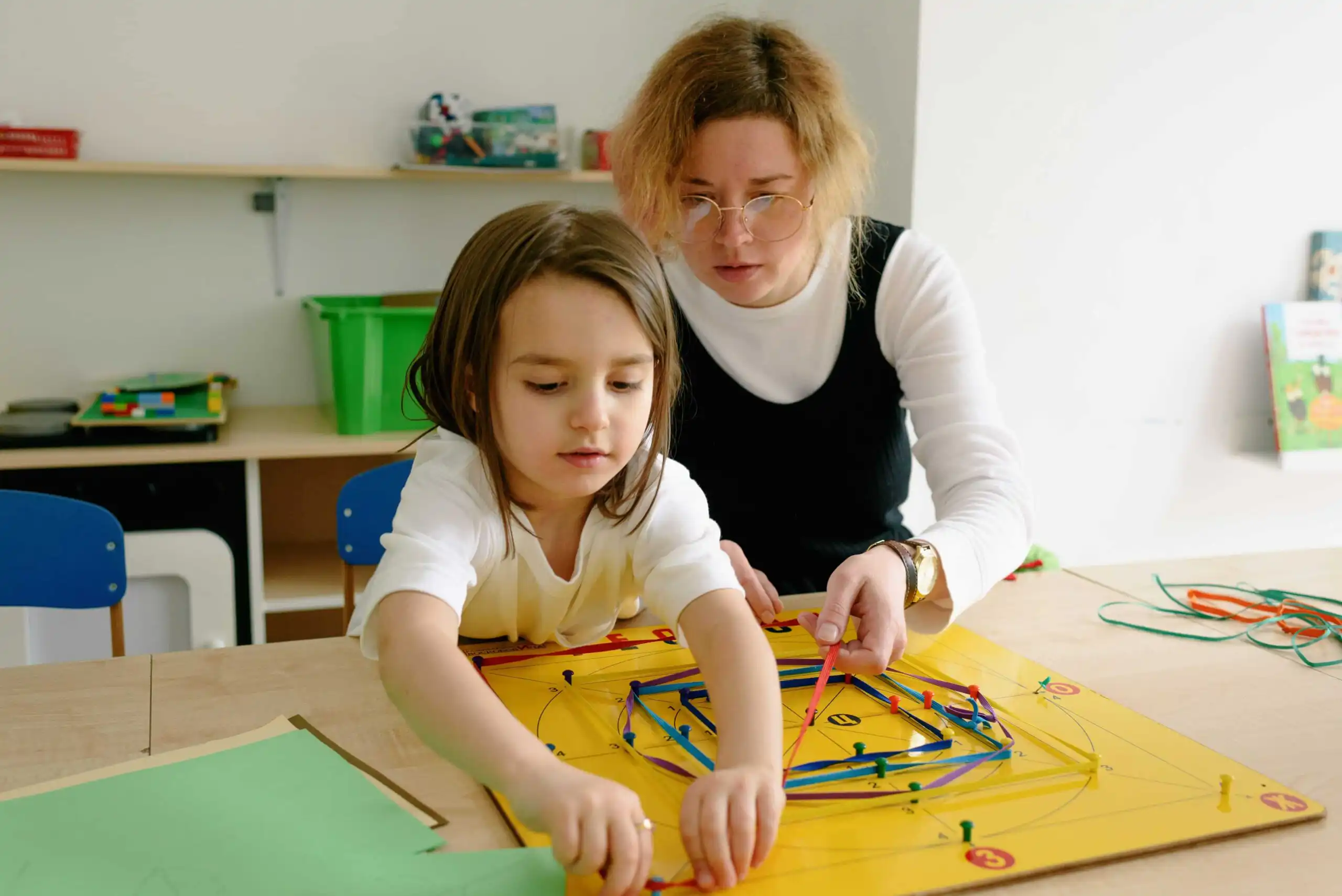
Some skills take time to develop, especially when a child is learning something completely new. Expecting a child to master a complex behavior all at once can make learning feel frustrating. In ABA therapy, shaping provides a way to build skills gradually by reinforcing small steps that move a child closer to a desired behavior.
Rather than waiting for a child to perform a skill perfectly, a therapist can recognize progress along the way. As the child becomes more successful, the expectations can gradually increase until the target behavior is reached.
What Is Shaping in ABA Therapy?
Shaping is an ABA teaching strategy that involves reinforcing behaviors that gradually become closer to a specific target behavior. These smaller steps are sometimes called successive approximations.
For example, imagine a child is learning to request a preferred item using words. The child may not immediately say the complete word. Depending on their current communication skills, a therapist might initially reinforce an appropriate sound, gesture, or other form of communication. As the child progresses, reinforcement can be provided for responses that more closely resemble the target word.
The goal is not to reward every behavior indefinitely. Instead, reinforcement helps encourage progress from what the child can currently do toward the skill they are working to learn.
How Does Shaping Work?
Shaping typically starts by identifying a specific skill and determining what the child can already do. From there, the therapist can establish smaller steps that lead toward the desired behavior.
The process may involve:
- Identifying the target behavior: The therapist determines the specific skill the child is working toward.
- Looking at the starting point: The therapist considers what the child can already do independently.
- Choosing an achievable first step: The first approximation should be realistic for the child’s current abilities.
- Providing reinforcement: When the child demonstrates the desired step, the therapist provides appropriate reinforcement.
- Increasing expectations gradually: As the child becomes successful, the therapist shifts reinforcement toward behaviors that are closer to the final goal.
For instance, a child learning to put on a shirt may initially be reinforced for picking up the shirt. Later, the goal might become putting an arm through the sleeve, followed by pulling the shirt over their head and eventually completing the entire task independently.
Examples of Shaping in ABA
Shaping can be used across many areas of skill development. The specific steps depend on the child’s abilities and treatment goals.
Building Communication Skills
A child with autism who is learning to communicate wants and needs may begin with a simple gesture or sound. As communication develops, the therapist may reinforce increasingly specific responses, such as pointing to a picture, using a sign, or saying a word.
Developing Self-Care Skills
Daily routines can involve several individual steps. When teaching a child to brush their teeth, for example, a therapist might begin by reinforcing behaviors such as picking up the toothbrush or bringing it to the mouth. The child can then work toward completing more of the routine independently.
Practicing Social Skills
Shaping can also support social behaviors. A child learning to greet others might first work on orienting toward another person, then waving, and eventually using a verbal greeting when appropriate.
These examples illustrate the general idea, but shaping does not follow the same sequence for every child. Therapists can adjust the steps based on the child’s current skills and response to instruction.
Why Is Shaping Used in ABA Therapy?
Some behaviors are difficult to learn because they require several skills to come together. Shaping breaks those larger goals into more manageable pieces.
This approach can give children more opportunities to experience success during learning rather than requiring immediate mastery. It can also help Atlanta ABA therapists identify where a child may need additional support and adjust the teaching process accordingly.
Shaping may be incorporated into goals involving communication, self-care, social interaction, play, academic skills, and other functional behaviors. The specific goals depend on the child’s individualized treatment plan.
What Can Parents Expect During Shaping?
Parents may sometimes notice a therapist reinforcing a behavior that looks like only a small part of the final skill. That is intentional. The behavior may represent an important step toward the larger goal.
As the child becomes more consistent, the therapist can gradually adjust what counts as a successful response. Parents may also learn strategies they can use to support skill development during everyday routines.
Consistency can be particularly helpful because children have opportunities to practice skills outside of therapy. A therapist can help families understand which behaviors are being targeted and how to respond appropriately during daily activities.
Conclusion
Shaping gives ABA therapists a structured way to help children work toward more complex skills through smaller, achievable steps. Instead of focusing only on the finished behavior, the process recognizes progress as a child moves closer to the goal.
At Wonderway ABA, an ABA therapy in Atlanta, individualized therapy can help identify appropriate goals and teaching strategies based on a child’s current abilities and needs. Schedule a consultation with Wonderway ABA to discuss your child’s skills, goals, and potential next steps.
Frequently Asked Questions
What is an example of shaping in ABA?
Teaching a child to complete a dressing routine is one example. A therapist might reinforce individual steps, such as picking up clothing or putting an arm through a sleeve, before working toward completing the entire routine independently.
Is shaping the same as positive reinforcement?
Not exactly. Reinforcement is an important part of shaping, but shaping specifically involves reinforcing successive steps that gradually move toward a target behavior.
What skills can be taught using shaping?
Shaping can be used for many types of skills, including communication, self-care, social interaction, play, academic behaviors, and other functional skills.
How long does shaping take in ABA therapy?
There is no set timeline. Progress depends on factors such as the skill being taught, the child’s current abilities, the steps involved, and how consistently the child responds to instruction and reinforcement.