
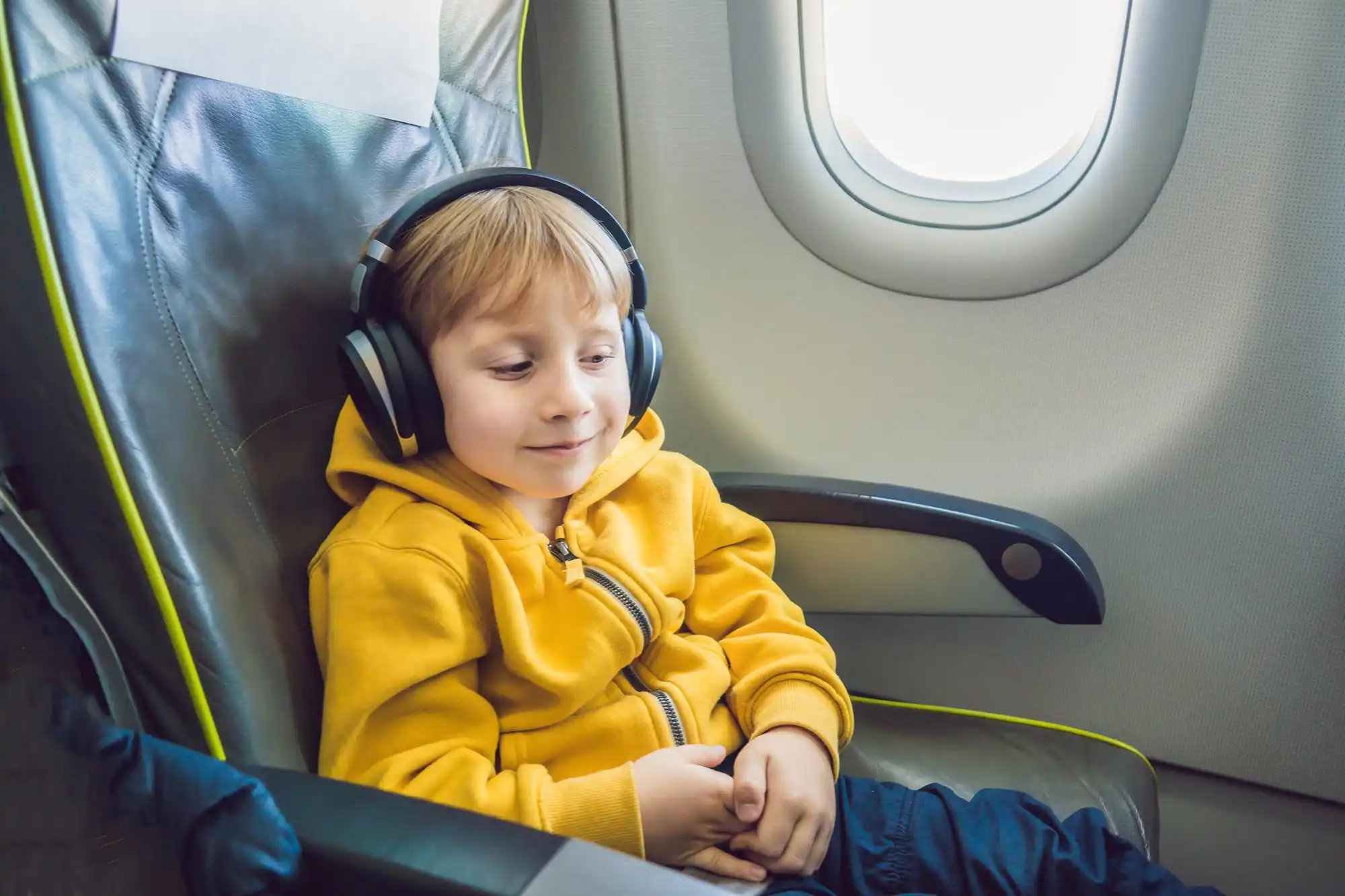
Traveling with a child with ASD can require a little extra preparation, especially when unfamiliar places, new routines, crowds, and sensory experiences are involved. Packing familiar items and tools that support your child’s needs can make the trip more comfortable and help you handle unexpected situations.
Before leaving, consider what helps your child feel comfortable, communicate, stay regulated, and understand what to expect. Here are some useful items to include in your travel bag:
Comfort Items
Bring familiar items that your child already associates with comfort and security. A favorite toy, blanket, stuffed animal, or other familiar object can provide reassurance when your child is in an unfamiliar environment.
If possible, pack these items in your carry-on or another bag that is easy to access during the journey.
Noise-Canceling Headphones
Airports, airplanes, train stations, and other transportation settings can expose children to loud or unexpected sounds. Noise-canceling headphones or other hearing protection can help reduce overwhelming noise.
Let your child become familiar with the headphones before the trip so they know what to expect when using them.
Visual Supports
Travel often involves changes to a child’s usual routine. Visual supports can make these changes easier to understand.
Consider bringing:
- Picture schedules
- Visual calendars
- Social stories
- Communication cards
- Pictures of destinations or transportation
You can use these tools to show your child what will happen next, such as going through airport security, boarding a plane, arriving at a hotel, or visiting a new location.
Sensory Tools
If your child uses sensory tools at home or during therapy, bring familiar options when traveling. Fidget toys, stress balls, chewable sensory items, and other preferred tools may provide an appropriate way to manage sensory input.
Choose items your child already uses rather than introducing unfamiliar tools for the first time during the trip.
Familiar Snacks and Drinks
Travel schedules can make regular meals and snacks less predictable. Bringing familiar foods can help your child stay comfortable, particularly if they have strong food preferences.
Choose portable snacks that are easy to pack and eat while traveling. If your child has specific dietary needs, plan ahead and determine which foods will be available at your destination.
Medications and Important Information
If your child takes medication, pack enough for the entire trip and keep it in an easily accessible location. You may also want to carry relevant medical information, emergency contacts, and other details that could be helpful if your child needs assistance.
Check transportation and destination requirements ahead of time if you are traveling with medication or other necessary supplies.
Travel Documents
Keep important documents organized and accessible throughout the trip. Depending on your destination, this may include passports, identification, tickets, insurance information, medical records, and emergency contact information.
Having digital or physical copies of important documents can also provide a backup if something is misplaced.
Extra Clothing and Supplies
Unexpected spills, accidents, weather changes, or sensory discomfort can happen during travel. Packing an extra change of clothes and other necessary supplies can make these situations easier to manage.
Consider keeping a small backup bag with clothing, wipes, comfort items, snacks, and sensory tools where you can reach it quickly.
Prepare Before You Travel
Packing the right items is only part of preparing for travel with a child with ASD. Talk with your child about the trip in a way they can understand, practice unfamiliar parts of the journey when possible, and build flexibility into your plans.
Think about your child’s individual needs and identify which situations may be challenging before you leave. With thoughtful preparation and familiar supports, families can make travel more predictable, comfortable, and enjoyable for everyone.
Frequently Asked Questions
What should I pack when traveling with a child with ASD?
Pack items that support your child’s comfort, communication, sensory needs, and routine. Useful items may include comfort objects, headphones, visual supports, sensory tools, familiar snacks, medications, extra clothing, and important travel documents.
How can I prepare my child with ASD for a trip?
Talk about the trip ahead of time and use visual schedules, pictures, or social stories to explain what your child can expect. Practicing unfamiliar parts of the journey beforehand may also help.
What sensory items should I bring when traveling with a child with ASD?
Consider bringing sensory tools your child already uses, such as noise-canceling headphones, fidget toys, stress balls, or chewable sensory items. Familiar tools are often easier for a child to use during an unfamiliar experience.
How can I make travel less stressful for my child with ASD?
Keep familiar routines when possible, prepare your child for changes, bring preferred comfort items, and allow extra time for transitions. Planning for unexpected changes can also make the trip easier to manage.
Should I bring familiar food when traveling with my child with ASD?
Yes. Familiar snacks can be helpful if your child has food preferences or if meals are not available at the expected times. Choose portable foods your child already enjoys and can comfortably eat while traveling.
Can ABA therapy help children prepare for travel?
ABA therapy can help children practice skills related to transitions, communication, following directions, coping with changes, and participating in unfamiliar routines. These skills may be useful when preparing for travel and other new experiences.